

 Fire is one of the biggest dangers in an office environment. Unlike dangerous professions like farming, fishing, and engineering, office work has always been considered safe. And in comparison to these other professions, it is significantly safer. One risk that is still present, however, is fire. With so many overheating computers, printers, and other electronics, along with piles and piles of printing paper, tables, and other flammable materials, disorganised offices can be at risk of fire. This article offers advice for anyone looking to protect their office space from a fire – however, it should not be used in place of official health and safety standards. You can read the official government Fire safety law and guidance documents here.
Never overload your plug sockets
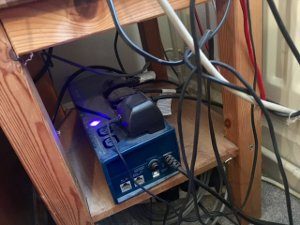 One of the biggest causes of office fires is overloading electrical sockets. Overloading your electrical sockets can cause them to overheat, which can cause an electrical fire. Electrical fires are very difficult to fight and are thus very dangerous. It is the responsibility of your office’s fire safety officer to make sure that the electrical circuits in your office space aren’t being overloaded. However, the safety officer can’t keep an eye on everyone at all times, and employees may plug in phone chargers, desk fans, or other appliances, without the fire safety officer’s knowledge. This is why it’s important to remind staff of the dangers of overloading plug sockets regularly. Ask them to request new plug sockets to be installed if they think there is a shortage. It’s also important ensure your circuits can handle any increase in use as new people join the office. With every new person, they will probably need at least two plug sockets – one for their PC and one for its monitor. They may need more, depending on their role. If you ensure your office can accommodate new staff’s electric needs, then you will be keeping everyone safer.
Always turn off appliances at the end of the day
It is always a good idea to turn off your appliances at the end of each working day. If electronic appliances are left on, there could be an electrical surge or some other kind of malfunction that causes a fire. If this happens during the day, then there are employees present to call the fire brigade or even fight the fire if it is small enough. But at night, no one will notice, and a comparably small fire could build into something truly devastating. Establish rules for the office that ensure everything is turned off. For example, encourage staff to shut down their computers as opposed to merely putting them into hibernation. You could also leave a checklist for the last person to leave the office to go around and turn off everything at the wall. Leaving a checklist ensures they do a thorough job every time.
Be careful where you allow paper to stack up
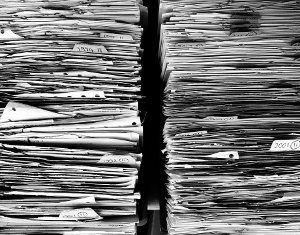 Fire needs fuel or it will not start in the first place. And if there is insufficient fuel, it will burn itself out. Offices provide fire with more fuel than in many other work environments as there is ample paper spread out across the office. If you can control the amount of paper allowed to collect around the office, then you can ensure that your office is less at risk of a fire. One thing you can do, for instance, is establish a clean-desk policy at the end of each workday. This means that employees must leave their desks completely clear of clutter when they leave each day. This encourages them to store away any important documents and to recycle the rest. Not only will this make your office tidier, it will make it a safer place to work.
You should also ensure that the waste paper baskets are emptied every day so that they do not build up. It’s little measures like this that all contribute to a safer work environment. Another good strategy is to always ensure you keep warm appliances away from flammable materials – such as wherever you store your printing paper. Keep an eye on your warmest appliances and ensure there is no paper nearby.
Establish a closed-door policy
A closed door can greatly impede the spread of fire. This is because the fire needs to work its way through the door, as opposed to simply spreading through the open doorway. And, as fire needs oxygen in order to burn, if a fire should start in a closed room with a limited air supply, it may struggle to keep going once it has used up the majority of the oxygen supply in the room.
The trouble is that most good office spaces have open-door policies so that staff can feel connected to one another and so that they feel welcome to pop into their colleagues’ or superiors’ offices to ask them a question. Without a doubt, good communication makes for a better, more cohesive, more productive workforce, but this doesn’t have to be at the expense of safety. Instead, encourage employees to keep doors open when they are in the room, but to close them when no one is there. It’s also a good idea to encourage employees to close doors when they are exiting during a fire drill. This is important, as many sensible people may panic and forget to close their office door when the fire alarm sounds.
You can take this a step further if you are especially worried about fire spreading in your office and invest in fire curtains or shutters from specialists like K & D Systems. These curtains and shutters are fireproof and are designed to impede the spread of fire for up to two hours in some cases. If you identify a room in your office that is particularly at risk of fire, perhaps you should invest in a pair of fire curtains.
Educate your employees/colleagues
This last suggestion is arguably the most important: it’s vital that you educate your employees and/or colleagues about the dangers of fire, about how fire catches and spreads, and about all of the measures they can take to reduce the risk of fire. You can do this yourself or you can pay for various training companies to come in and teach your staff. All of the other tips in this article only work if your staff is clued in to fire safety and fire prevention. Ultimately, fire safety is a team effort, so it’s important everyone understands as much as possible about fire safety.